
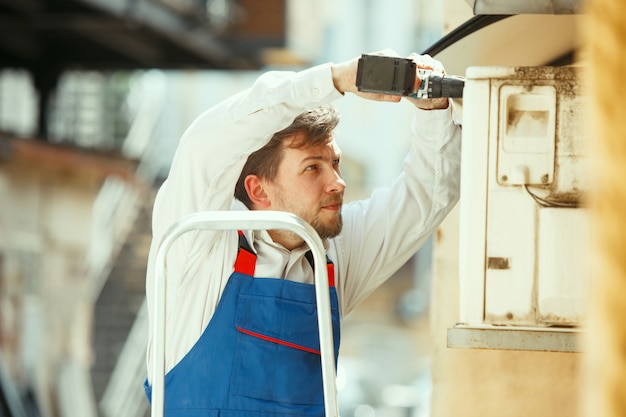
Managing a commercial property involves numerous responsibilities, one of the most significant being the upkeep of the HVAC system. An optimally functioning HVAC system is crucial for maintaining a comfortable environment for both employees and customers. However, the costs associated with HVAC maintenance can be substantial. Implementing strategic maintenance practices can lead to significant savings while ensuring the longevity and efficiency of the system. This article explores the best practices for commercial HVAC maintenance and how they can help save money in the long run.
Understanding the Importance of Regular Maintenance
Regular maintenance of a commercial HVAC system is not just about preventing breakdowns. It involves a comprehensive approach to ensure the system operates at peak efficiency. Implementing a routine maintenance schedule can help identify potential issues before they escalate into costly repairs. Discover expert strategies here.
- Prevents unexpected breakdowns and costly emergency repairs.
- Increases the lifespan of HVAC equipment.
- Improves energy efficiency, reducing utility bills.
- Ensures compliance with safety and environmental regulations.
Key Components of an Effective Maintenance Plan
An effective HVAC maintenance plan should be tailored to the specific needs of the commercial property. Here are the critical components that should be included in any comprehensive maintenance schedule.
Regular Inspections and Tune-Ups
Scheduled inspections and tune-ups help in identifying wear and tear, ensuring that all parts of the system are functioning correctly. Regular tune-ups can improve the efficiency of the system and extend its operational life. Learn about our tailored solutions.
Filter Replacement
Replacing filters regularly is essential for maintaining air quality and preventing the system from working harder than necessary. Dirty filters can lead to higher energy consumption and poor indoor air quality.
System Cleaning
Cleaning the system’s components, such as coils, fans, and ducts, prevents the accumulation of dust and debris that can hinder performance. Regular cleaning ensures that the system runs efficiently, saving energy and reducing costs.
Professional Assessment and Upgrades
Engaging professionals for annual assessments and considering system upgrades can be beneficial. Technological advancements can offer enhanced efficiency and performance, translating into cost savings. Explore advanced guides and tips.
Reducing Costs Through Preventive Measures
Preventive maintenance is a proactive approach that minimizes the likelihood of system failures and improves overall efficiency. By taking preventive measures, businesses can significantly reduce their operational costs.
- Investing in high-efficiency equipment can lead to substantial energy savings over time.
- Implementing energy management systems helps monitor and control energy usage effectively.
- Training staff to recognize early signs of HVAC issues can prevent costly repairs.
Find out more about this approach. Investing in these preventive measures will pay dividends by decreasing energy consumption and reducing repair costs.
Conclusion
Commercial HVAC maintenance is an investment that pays off in terms of system reliability, longevity, and cost savings. By developing a well-structured maintenance plan and incorporating preventive measures, businesses can ensure their HVAC systems operate efficiently and economically. For more detailed guidance and tailored maintenance solutions, explore advanced guides and tips.
